
Methods of hospitalization
Depending on the treatment to be received, whether it is chemotherapy, surgery or specific imaging treatments to treat the pathology, the length of hospitalization will be more or less long.
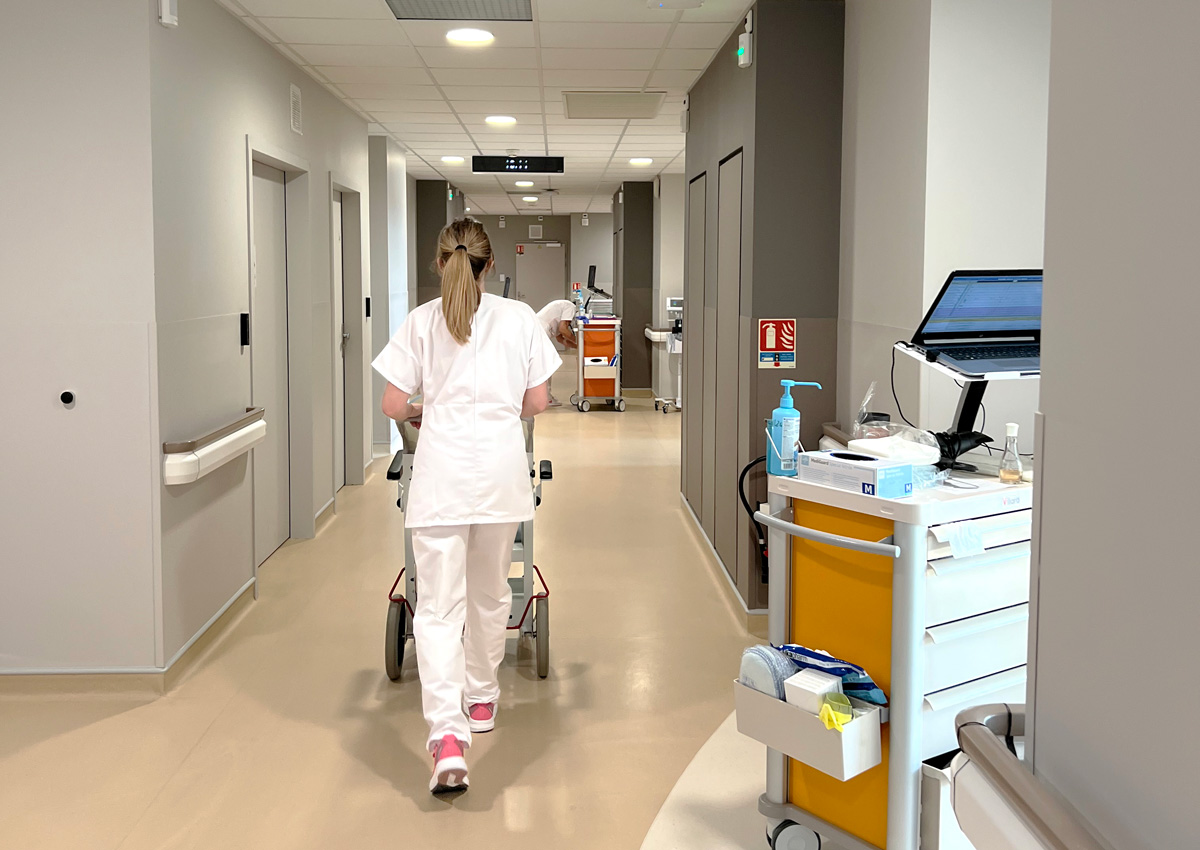
Day Hospital
Before each first treatment, the patient is seen in consultation by the doctor. He answers questions, prescribes chemotherapy and associated medications (anti-nausea, painkillers, etc.).
The nurse assesses the needs of the person being treated and provides the necessary explanations for the proper progress and understanding of the treatment. Patients are also informed of specific side effects, which vary depending on the type of chemotherapy and each person’s tolerance.
When the patient returns to the department to continue their treatment, they will not systematically see their oncologist.
The chemotherapy prescription is then transmitted electronically to the pharmacy. Treatment preparation is carried out in a sterile and secure environment by trained and experienced staff. All chemotherapy treatments are prepared within this unit. Chemotherapy cannot be prepared in advance, except as part of specific care (anticipatory chemotherapy), which results in an incompressible waiting time.
Once the treatment has been approved, a nurse will ask the patient to provide their identity (name, first name, and date of birth) and then proceed to set up an IV drip according to the type of line that has been inserted. The nurse will administer the chemotherapy according to the protocol prescribed by the doctor. It is important to wear an open-front garment on the day of chemotherapy. This allows the treatment to be carried out while respecting the modesty of each patient.
During day hospitalization, patients can eat their meals in their booth. Different options are available.
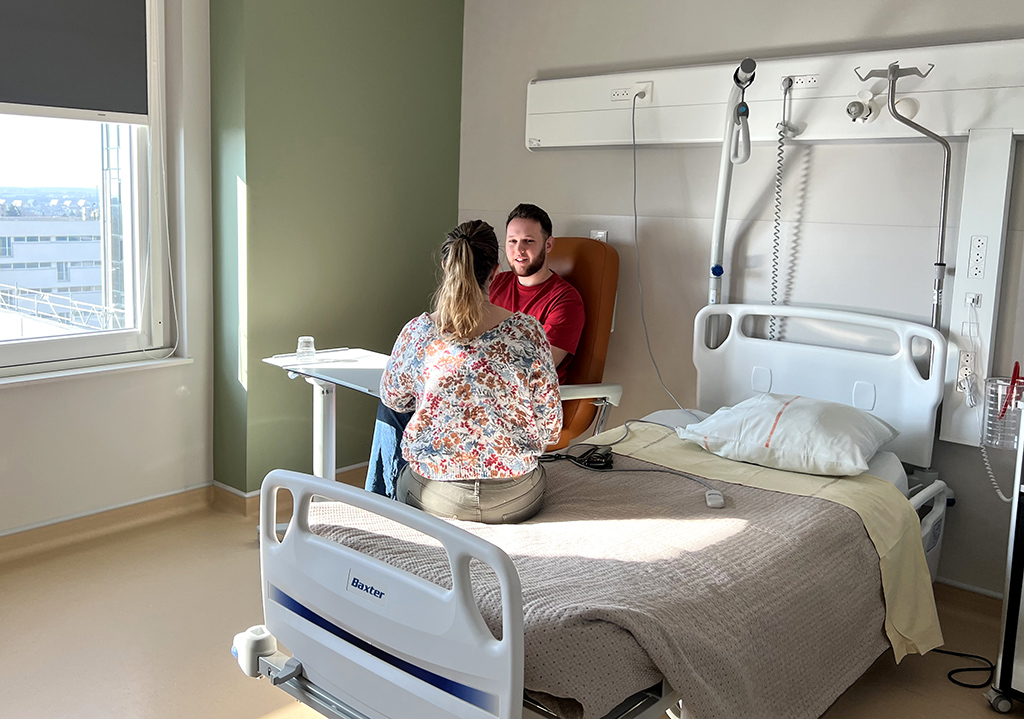
Conventional hospitalization
Depending on the treatment prescribed to the patient, whether it is chemotherapy, surgery, or specific treatments such as interventional imaging, the patient may need to be hospitalized for a varying period of time. The length of hospitalization will depend on the nature of the treatment, the patient’s overall health, and the response to treatment. Some procedures may require continuous monitoring, while others may be administered on an outpatient basis or after a shorter hospital stay.
Patient welcome guide
The patient will be hospitalized at the Georges-François Leclerc Center. The entire staff assures him of their dedication to providing him with the specialized care he needs.
Whether he comes for an examination or to receive treatment, he will be supported throughout his journey by our specialized teams.
Outpatient hospitalization
Outpatient surgery:
The goal of outpatient surgery is to offer cancer treatment in one day (entry in the morning, discharge in the evening). It ensures the quality and safety of a standardized medical procedure, thanks to a specific organization where a multidisciplinary team collaborates closely with the city healthcare network as well as with the patient’s referring physicians, such as the general practitioner.
Outpatient surgery involves scheduled surgical procedures performed in the operating room, with same-day discharge after approval by the medical and nursing team. This type of care allows patients to play a more active role.
Enhanced rehabilitation after surgery
Enhanced post-surgical rehabilitation (EPR) is a set of measures aimed at helping the patient to quickly regain their independence and reduce the risk of post-operative complications.

HRC
The Dijon Hospital Reception Center welcomes and accommodates without time limit:
- Relatives (family, friends, etc.) of hospitalized patients (children or adults)
- Patients in pre- or post-hospitalization or in so-called “outpatient” treatment
- Families and relatives of people in medical-social establishments

Pain Assessment and Treatment Center
Within the CGFL, professionals are specifically trained in pain management. They intervene to prevent pain related to illness, care, or examinations, but also to relieve acute and chronic pain.
A consultation is also open to patients outside the CGFL, referred by their doctor, presenting chronic pain not related to cancer.
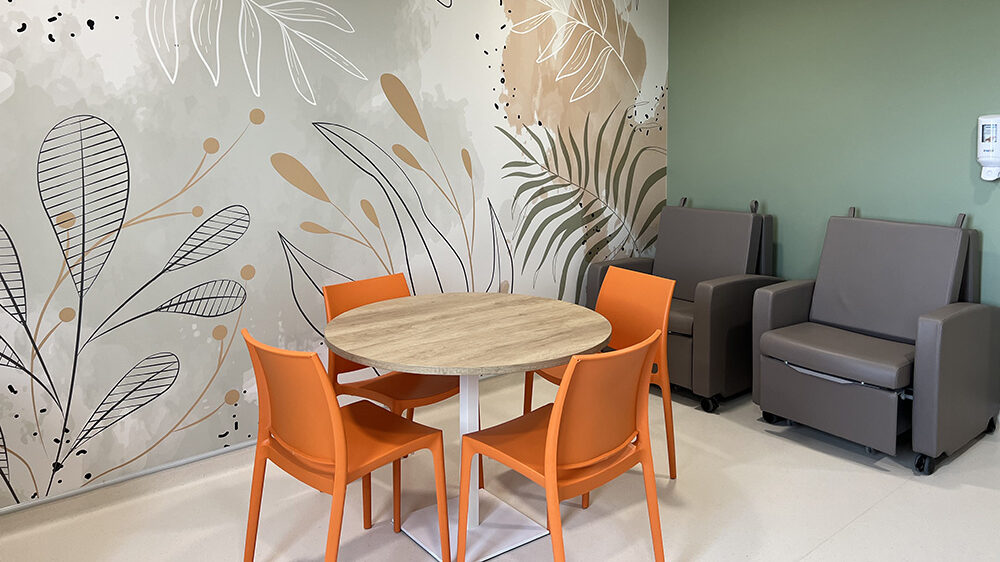
“Patient-relatives” lounges
Patients will find comfortable lounges equipped with televisions. In some of these lounges, “family spaces” have been specially designed to accommodate children.
2 hot drinks vending machines are available on the 3rd floor and in the 1st basement.
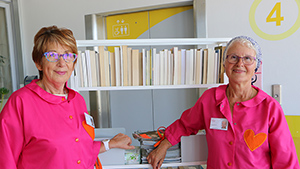
The Patient Leisure Library
The patient will have access to a free lending library. They will be able to borrow magazines, novels, stories, documentaries, biographies, and comics. This can be done either through volunteers on Tuesdays and Thursdays between 2:30 p.m. and 4:30 p.m. or through direct access to the library located on the ground floor of the former nurses’ pavilion (in the CGFL courtyard, along the tram line),
Opening hours: Monday to Friday, 9 a.m. to 12 p.m. and 1 p.m. to 4 p.m.
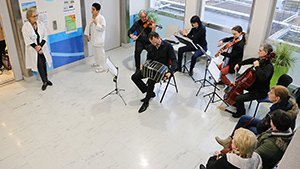
Art and culture
Art exhibitions are held in the lobbies and waiting rooms and are renewed every eight weeks. A musical program is also offered throughout the year, in partnership with the ODB, as part of the “Petites Musiques de Chambres” program.
Identity vigilance rules are imposed. These measures aim to deliver the right care to the right patient. Thus, he must present:
– Proof of identity (national or European identity card / residence permit / driver’s license / passport)
– Social security documents (health insurance card / certificate of entitlement, CMU certificate / mutual insurance card / private insurance).
Do not forget to bring:
– X-rays and results of tests already performed
– current prescriptions
The “patient-relatives” lounges
The Hospital Reception Center

The library
Art & Culture
Home hospitalization (HH)
The Home Hospitalization Unit (HH) welcomes patients treated at the CGFL who live in Dijon and its surrounding suburbs. Home hospitalization provides, for a limited period, continuous and coordinated medical and paramedical care of a hospital-like intensity and nature, such as chemotherapy, intravenous treatments, or palliative care.
The patient’s quality of life is preserved since they remain in a familiar environment. The period of care is revisable depending on the evolution of the patient’s health.
The patient’s journey is personalized, taking into account their entirety and integrating the social dimension of their situation and those around them throughout their stay.
Admission is decided by the coordinating physician on the recommendation of the CGFL referring physician or the attending physician. It is always done after the care assessment, and after ensuring the feasibility of home care. Of course, the agreement of the patient and their family is required. Written consent is essential.
The HH establishment complies with precise operating conditions, established by regulation
Depending on the pathology and the care provided, financing is most often 100% by Health Insurance.

Teams linked to HH
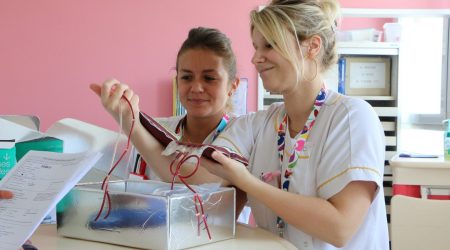
CGFL professionals
The coordinating physician,
The healthcare manager,
Nurses,
Nursing assistants,
The interns,
The secretary,
The social worker,
Psychologists,
Dietitians,
Participants from the various CGFL departments.
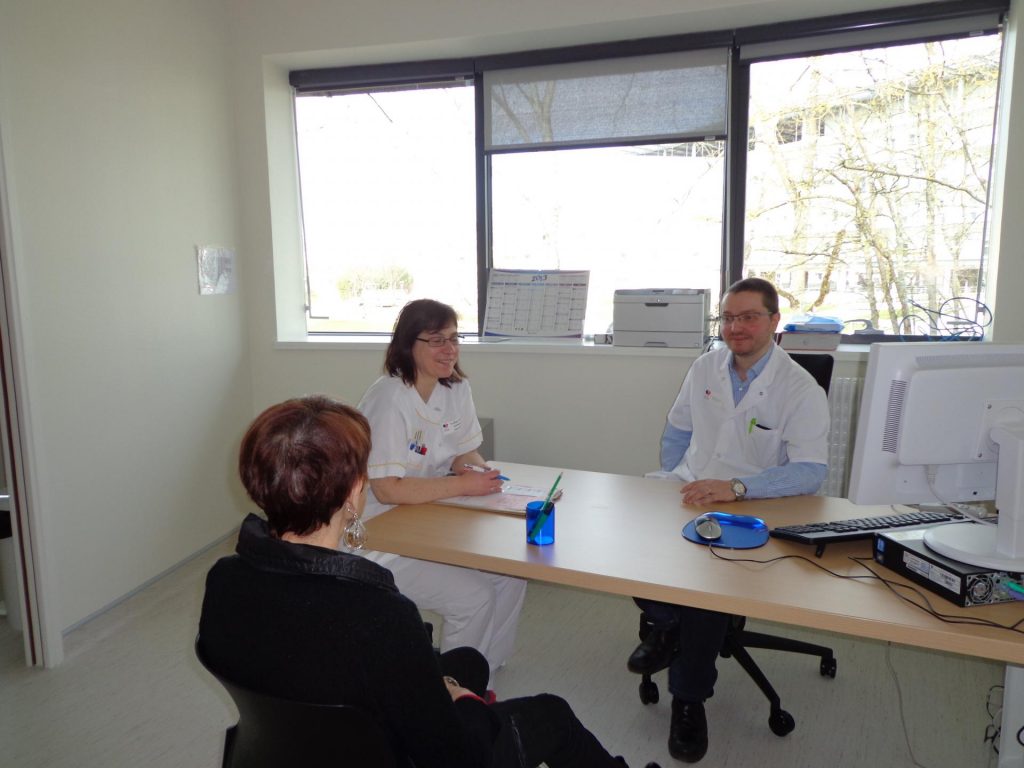
External healthcare professionals
The primary care physician
The private physiotherapist
Other specialized professionals: the mobile palliative care team, the speech therapist, etc.
The home care assistant: If necessary, funding for their services can be discussed with the social worker.

Family and relatives
The role of the relatives is essential.
This constitutes the pivot of home hospitalization through its presence with the patient and its involvement in care.