Prepare for your arrival
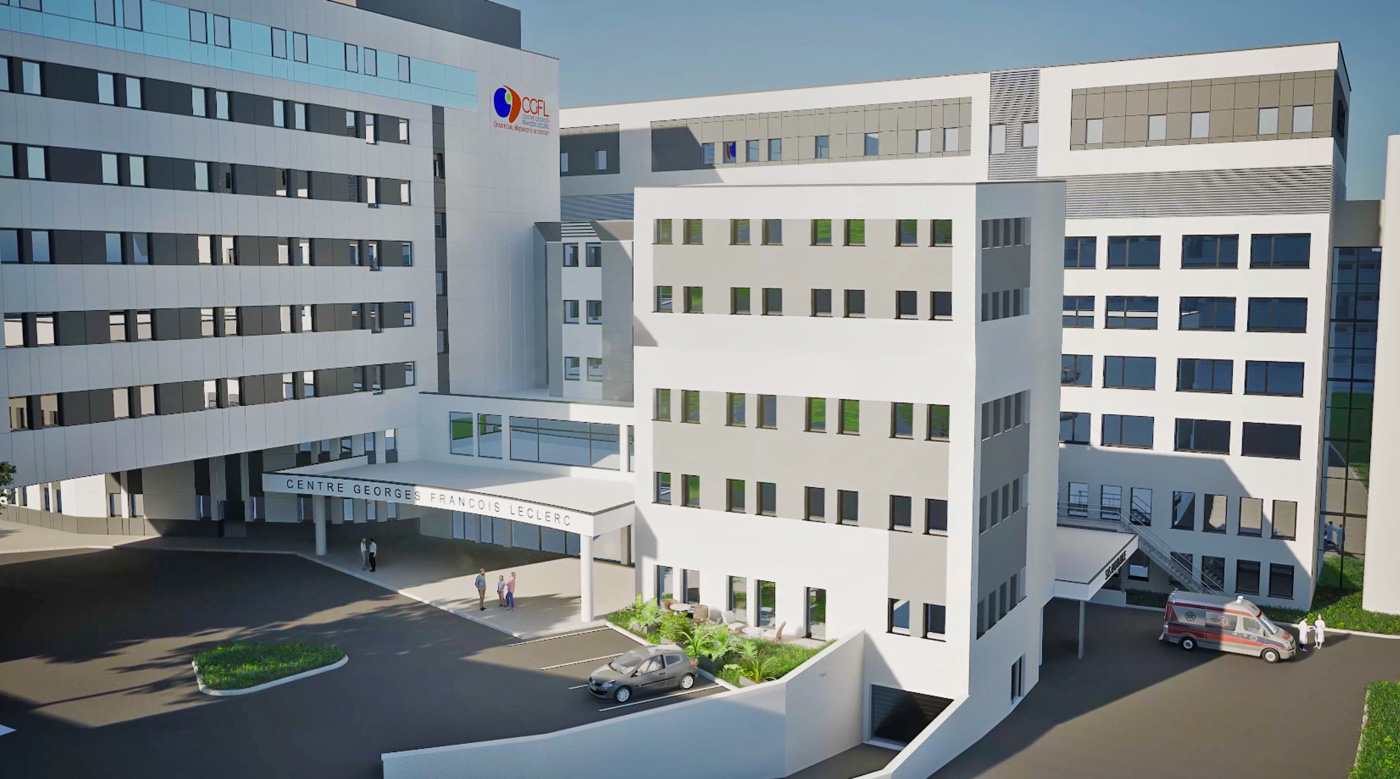
Georges François Leclerc Center
1 rue Professeur Marion
BP 77 980
21079 Dijon cedex – France
The switchboard is open from 7:30 a.m. to 8 p.m.
Getting Here

By Bus
– Take Line 5 connecting Talant Dullin to the University (passing through Darcy and Wilson squares) and get off at the terminus, “Université” stop. You can then reach the CGFL by taking tram line T1, which serves this stop and drops you off at the “CHU-Hôpitaux” station.
– Line 3, connecting Fontaine d’Ouche to Epirey Cap Nord, will take you, via Dijon-ville train station, Darcy and République squares, to the “Jeanne d’Arc” stop, near the CGFL.
– Outside the city center, the CGFL is also accessible via the Corol route, which loops Marmuzots – Fontaine d’Ouche (stop “Jeanne d’Arc”).

By Tram
Take line T1, running from Dijon train station to Quétigny, and get off at the “CHU-Hôpitaux” station.
More info on getting here by public transport with Mobigo Bourgogne: call 03 80 11 29 29

By Road
– From Dijon city center, reach Place de la République, then (via Boulevard Thiers) Place du 30 Octobre, then (via Boulevard Voltaire) Rue de Mirande. Continue straight at the intersection, you will then be on Rue de Sully. At the first roundabout, take Rue Jean Mazen, at the second, Rue Professeur Marion.
– From the Ring Road, take the “Hôpitaux” exit, join Rue de Sully, then Rue Jean Mazen, and finally Rue Professeur Marion, as described above.

Parking near the CGFL
– in the CHU Dijon-Bourgogne car park (paid) (then follow pedestrian access signs),
– in one of the park-and-ride facilities set up by Grand Dijon (Olympic Pool, etc.), from where you can take tram line T1 to the “CHU-Hôpitaux” station
Documents not to forget
The staff at the Georges-François Leclerc Center is available to assist you throughout your treatment journey. We make every effort to provide you with a quality welcome.
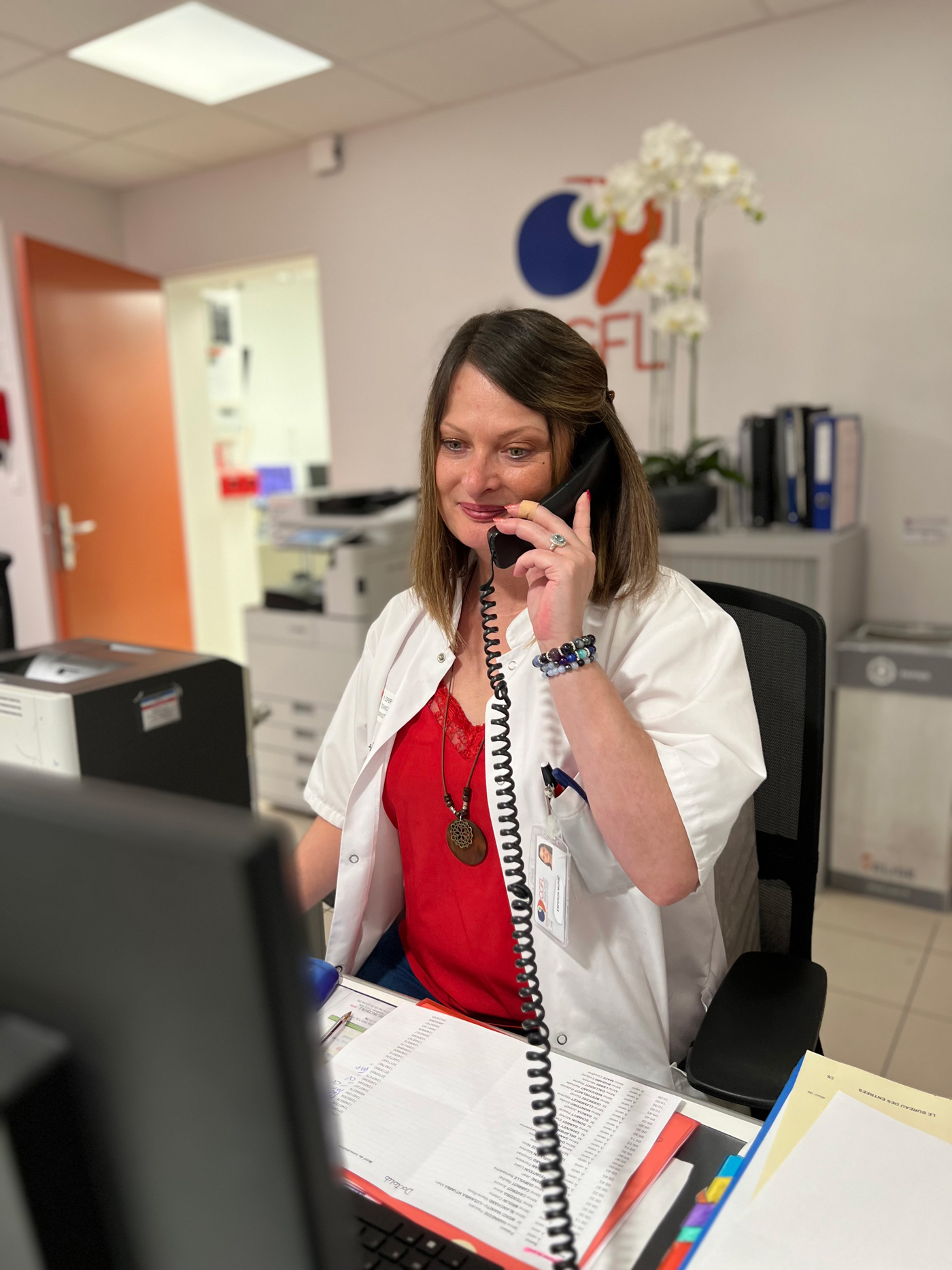
Upon arrival, please check in using the reception kiosks to indicate your presence. Admissions staff will then contact you to create your file.
Identity card, passport or residence permit. This information will be used for your identification throughout your stay.
Or the 3rd part of the Social Security document entitled “care protocol” (if applicable).
X-rays, ultrasounds, scans, results of medical examinations and biological analyses that you may have carried out, as well as your medication prescriptions.

The treatment journey
At the CGFL, patients can be admitted as a conventional inpatient or outpatient. We have services adapted to all types of care.
You will meet different healthcare professionals (doctors, caregivers and administrative and reception staff) throughout your treatment.
The stages of your treatment journey
Consultations:
The consultations concern many specialties (medicine, surgery, radiotherapy, pain relief, psychologist or other support care providers, etc.), each offering a meeting with a specialist able to carry out a complete assessment and prescribe, if necessary, additional tests.
Paramedical consultations:
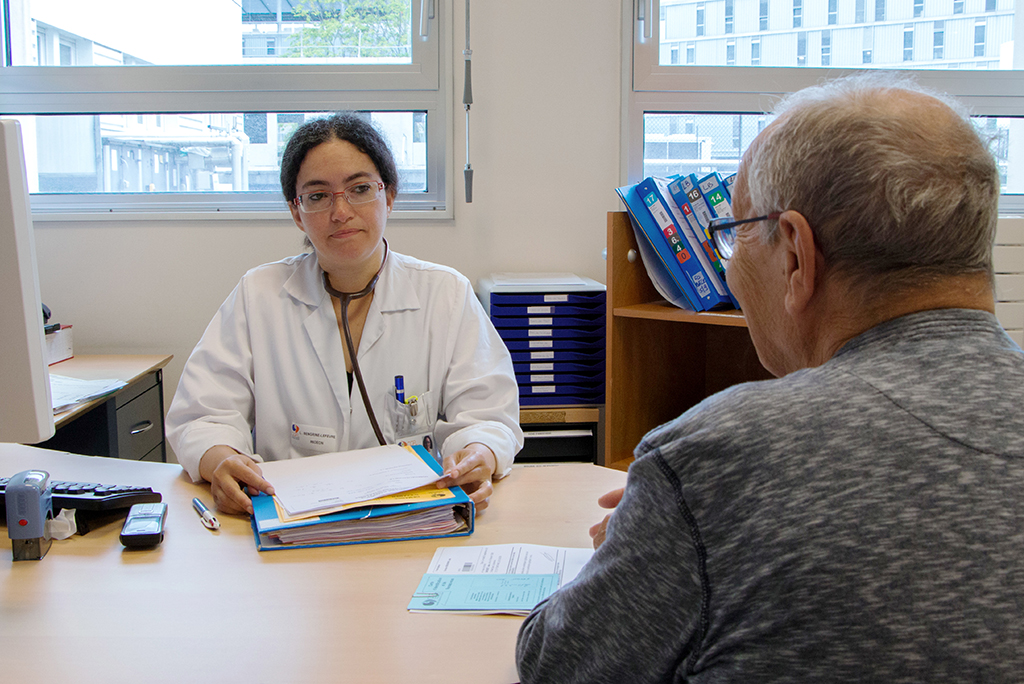
The nursing consultation
Prior to an initial chemotherapy or surgery, a consultation with a nurse may be offered. The nurse provides the patient with additional information on the treatment process and practical advice to prevent side effects of the treatments.
Annoucement consultation
As part of the nurse/manipulative announcement system, the patient can meet with a nurse/manipulative announcer if they wish (in addition to their consultation with the intern and the referring physician). This new exchange lasts 30 to 45 minutes, and relatives can participate. The patient reformulates what they have understood and shares their concerns. The aim is to assess and consider the patient’s real needs, but above all to put the story of their illness back at the heart of the discussion.
The personalized care plan (PCP):
The Personalized Care Plan helps patients understand the different stages of treatment. Indeed, it may involve several phases (surgery, chemotherapy, radiotherapy). The patient is also informed of the expected duration of treatment.
The Personalized Care Plan is provided to the patient by the referring physician at the CGFL, who explains its implications. The expected benefits and potential risks are explained. The patient can accept, discuss, or even reject their Personalized Care Plan. All patients have the option of requesting a second opinion; however, this should not delay the implementation of prompt treatment, if necessary.
As treatment progresses, changes may be made to it to best adapt the care.
The Multidisciplinary Consultation Meeting (MCM):
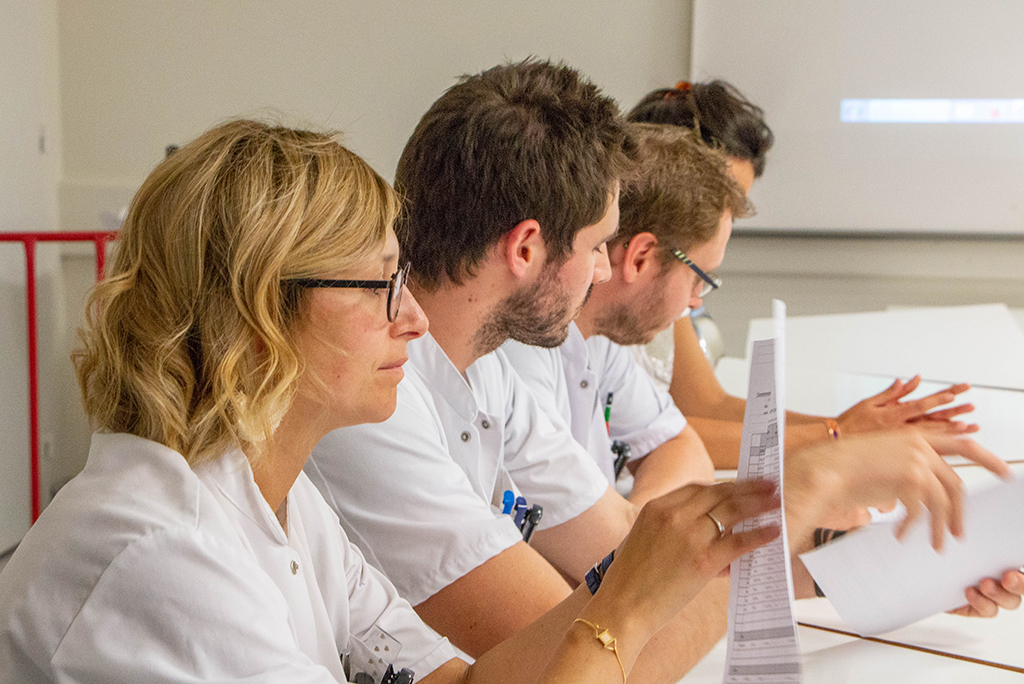
This is a regular meeting bringing together healthcare professionals from different specialties, during which the patient’s situation is discussed, possible treatments based on the latest scientific studies, an analysis of the benefits and risks involved, as well as an assessment of the resulting quality of life. Together, they determine the most appropriate and optimal care for each patient.
Supportive care:
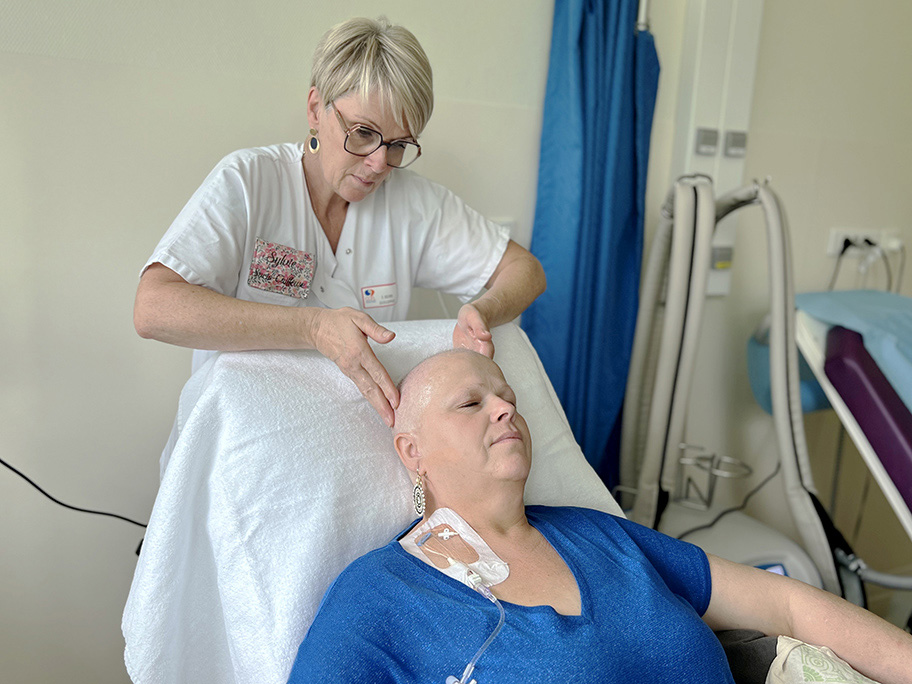
This is a complementary support service offered free of charge to patients and their loved ones. Supportive care aims to improve the quality of life of those affected. It is provided at all stages of care: from the moment the diagnosis is announced, during treatment, and through to the post-cancer period. Discover all the supportive care services offered at the CGFL by clicking on the button below:
The Hospital Reception House
The patient will be surrounded by his family, his loved ones (children or adults) and patients in outpatient treatment, pre or post hospitalization, in specialized consultations, in radiotherapy.
He will be offered moral and material support.
Thanks to the Hospital Reception Center, he will be able to maintain family ties and avoid the risks of isolation and social disruption during his hospitalization.
This will save him the often long, tiring, repeated and costly journeys.